

Key Takeaways:
- Early assessment helps identify learning gaps before they become more difficult to address
- Targeted practice strengthens specific weak areas, such as tones, vocabulary, and comprehension
- Achievable goals build confidence and encourage consistent learning progress
- Teaching methods adapted to each child improve understanding and retention.
Introduction
Every child learns differently, yet most classroom environments follow a fixed pace and structure. When the pace, content, or teaching approach does not align with a child’s needs, learning gaps can develop. These gaps may start small, but over time, they can affect confidence, motivation, and overall academic progress.
This is particularly relevant when it comes to mastering a second language. In subjects such as Chinese, vocabulary, tone accuracy, and sentence structure build on one another. When early gaps are not addressed, they can affect a child’s ability to progress with confidence.
In this article, we explore how personalised learning adapts teaching methods to each child. This approach provides targeted support to strengthen understanding and address learning gaps early before they widen.
Understanding Learning Gaps in Children
Learning gaps occur when a child struggles to fully grasp certain concepts before moving on to more advanced topics. In a structured school setting, there is often limited time to revisit these areas in depth.
For example, a child who finds difficulty with tone accuracy or reading comprehension in Chinese may continue progressing with the class without fully resolving these challenges. In the long run, this can lead to confusion, reduced participation, and a lack of confidence in the subject.
How Personalised Learning Supports Early Intervention
1. Identifies Learning Gaps Early Through Ongoing Assessment
This learning method begins with a clear understanding of where a child currently stands. Instead of relying on a single assessment, teachers use ongoing observations, short quizzes, and regular check-ins to monitor progress. This continuous approach allows educators to identify specific areas of difficulty early.
For instance, a student who struggles to differentiate tones may repeatedly mispronounce words such as “mā” (mother) and “mǎ” (horse), which can cause confusion in both speaking and listening. With targeted tone recognition practice and guided correction in Chinese tuition, this gap can be addressed early before it affects reading comprehension and sentence formation.
2. Targets Specific Weak Areas With Focused Practice
Once gaps are identified, personalised learning allows lessons to focus on exactly what the child needs. This avoids the limitations of one-size-fits-all worksheets, but provides targeted practice that directly addresses areas of difficulty.
Lessons can be structured to focus on:
- Strengthen grammar and sentence structure
- Improve tone accuracy through guided practice
- Reinforce vocabulary retention with repeated exposure
- Deepen comprehension through structured reading exercises
This level of focus ensures that children develop a stronger foundation in the language. Instead of moving forward with gaps in understanding, they gain clarity in key concepts and build greater confidence in applying what they have learned.
3. Builds Confidence Through Achievable, Personalised Goals
Confidence plays a key role in a child’s willingness to learn. When lessons feel too difficult or disconnected from their ability level, children may become discouraged and begin to lose interest in the subject. As confidence decreases, even tasks within their ability may feel overwhelming, making it harder for them to engage and make progress.
A tailored learning approach addresses this by setting realistic and achievable goals based on each child’s readiness. Progress is broken down into smaller milestones, allowing children to experience success more regularly. This step-by-step progression helps reduce feelings of overwhelm, as children are not expected to master everything at once. Instead, they focus on manageable targets, building confidence as they move forward.
Over time, these consistent small achievements reinforce a sense of capability and motivation. As children begin to approach learning with greater assurance, they are more willing to participate, ask questions, and apply what they have learned independently.
4. Supports Different Learning Styles
Children process information in different ways. Some respond better to visual aids, while others benefit from listening, repetition, or hands-on activities. These differences mean that a single teaching method may not be equally effective for every child.
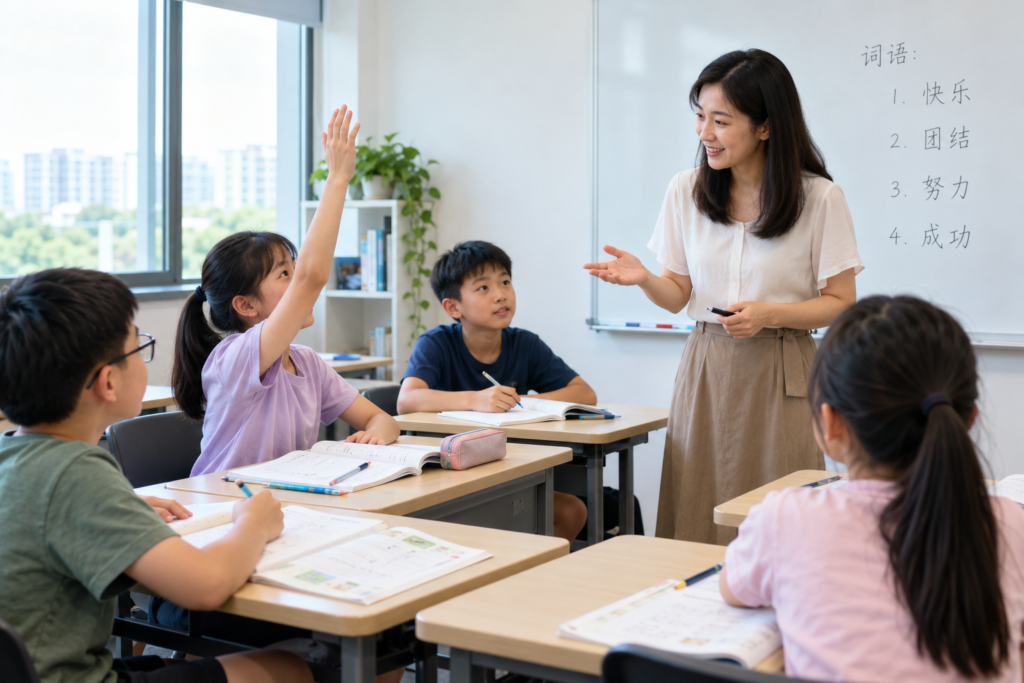
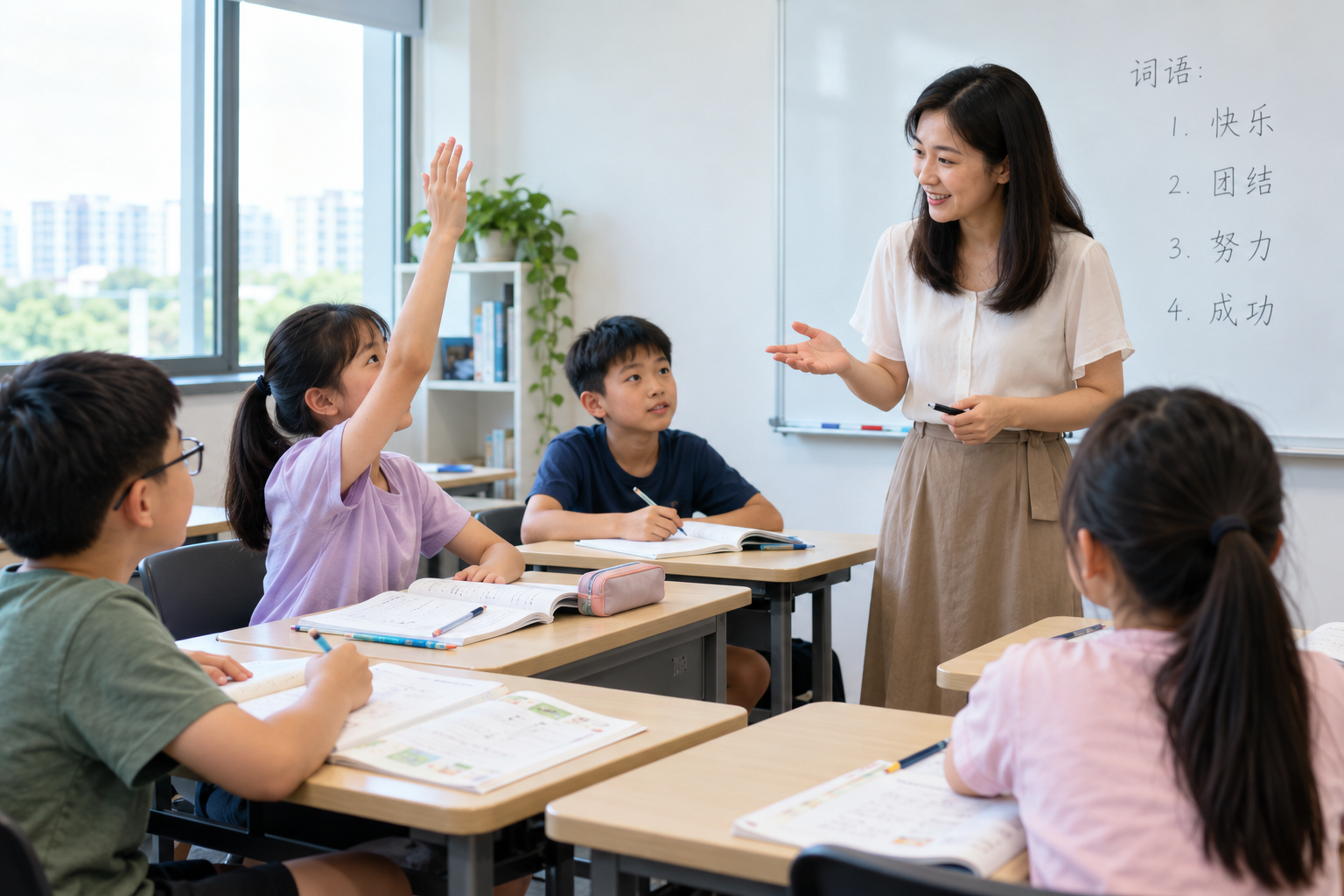
Individualised learning adapts to these differences by adjusting teaching methods to suit each child. During a Chinese language tuition lesson, teachers adjust how content is delivered based on what works best for the student. This may include visual aids, guided reading, oral practice, or interactive activities to reinforce understanding from different perspectives.
When teaching methods are aligned with a child’s learning style, lessons become more engaging and effective. This allows students to grasp concepts more clearly and revisit them in ways that strengthen both memory and practical application.

The Role of Structured Support in Closing Learning Gaps
Learning gaps are a natural part of a child’s educational journey, but they should not be left unaddressed. Individualised learning provides a structured and effective way to identify and close these gaps early, ensuring that children build strong foundations for future learning.
Children benefit from an environment where their progress is closely monitored. Through regular feedback, targeted practice, and clear progression plans, teachers can respond promptly when a child begins to struggle. This prevents small gaps from accumulating into larger challenges that are harder to address later on.
It also provides a sense of stability for the child. When expectations, routines, and learning goals are clearly defined, children feel more secure and focused during lessons. This consistency helps them build discipline and develop stronger learning habits.
How Choice Hua Sheng Supports Personalised Learning
At Choice Hua Sheng Education Centre, we integrate personalised learning
into every student’s experience. Each child is guided through a tailored learning plan that reflects their needs, pace, and learning style.
These plans are developed through initial assessments and are continuously refined as the child progresses. Teachers monitor performance closely and adjust lesson focus to strengthen weaker areas while building on existing strengths.
In addition to small group classes, our Chinese tuition centre in Singapore also offers customised programmes for students who require more structured and personalised support. This ensures that learning remains aligned with each child’s development and supports steady, confident progress.
Get in touch to learn how we can support your child’s learning journey.



 Choice Hua Sheng